Sideways Scuttle: The Real Mechanics Behind Every Online Pokies Spin
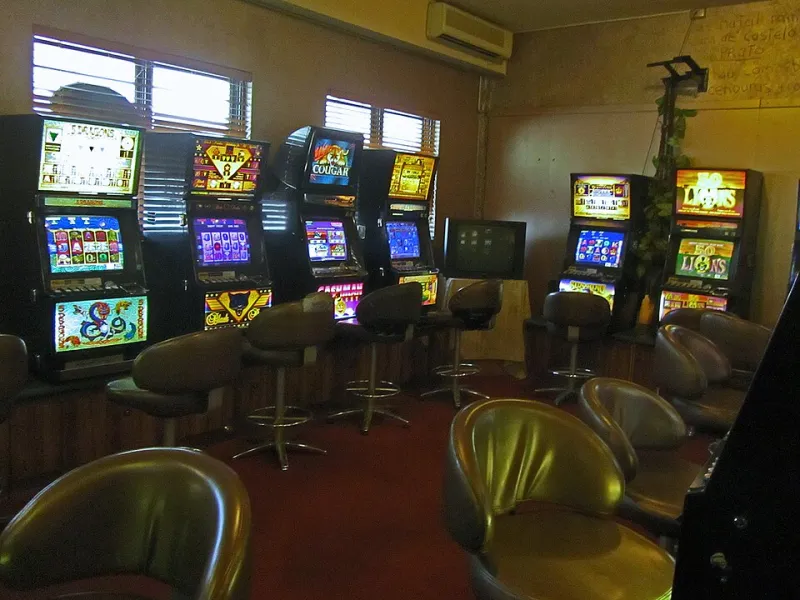
Photo: Newtown grafitti, CC BY 2.0, via Wikimedia Commons
Watch a yabby cross a creek bed and you'll notice something odd: it never walks forward. It scuttles sideways, darting left and right in ways that look random to anyone standing on the bank. But the yabby isn't being erratic for the sake of it — there's a whole system driving every movement, honed over millions of years.
Online pokies work the same way. To the player, every spin looks like chaos. Wins come from nowhere, dry spells drag on for no reason you can name, and the machine seems to know exactly when you've topped up your balance. But underneath the dancing crabs and flashing lights sits a cold, elegant system that doesn't care about your feelings. Understanding it is the difference between playing smart and playing on vibes.
The Random Number Generator: The Beating Heart of Every Spin
Every legitimate online pokie is powered by a Random Number Generator, or RNG. This is a piece of software that spits out thousands of number combinations every second — even when nobody is playing. The moment you hit spin, the RNG freezes on one of those combinations, and that number maps directly onto where the reels stop.
Here's the part most Aussie players get wrong: the reels you see are theatre. The outcome was decided the instant you pressed the button. The spinning animation, the near-miss where the second scatter symbol almost lands — none of it is real-time drama. It's a visual retelling of a decision already made.
That also means:
- There's no such thing as a machine 'warming up' — every spin is independent
- Time of day, bet size and session length have zero effect on the RNG
- A machine that just paid a jackpot is exactly as likely to pay again on the next spin
Volatility: How the Pokie Moves
If the RNG is the engine, volatility is the driving style. Volatility (sometimes called variance) describes how a game distributes its wins over time.
A low-volatility pokie is like a yabby in a calm billabong — steady, predictable, rarely dramatic. Wins land often but they're small. Your balance erodes slowly. These games suit longer sessions and smaller bankrolls.
A high-volatility pokie is a yabby in floodwater — long stretches of absolutely nothing, then a sudden strike that can be several hundred times your stake. These are the games with the big advertised jackpots, and they'll chew through a casual bankroll faster than a mob of galahs through a sunflower crop.
Neither style is 'better'. What matters is matching the volatility to what you actually want from a session — entertainment duration or a shot at a big hit.
Hit Frequency: The Number Nobody Talks About
Hit frequency is the percentage of spins that return any win. A pokie with a 25% hit frequency pays out on roughly one in four spins — but read that carefully. 'Any win' includes wins smaller than your bet. You can hit frequently and still bleed money steadily.
This is where the sideways scuttle metaphor earns its keep. A high hit frequency makes a game feel active and rewarding, the same way a yabby's constant darting makes it look like it's going somewhere purposeful. Often it's just moving sideways.
What the Info Screen Actually Tells You
Every properly licensed online pokie has an information or paytable screen, and most players skip straight past it. Here's what's worth your attention:
- RTP (Return to Player) — the theoretical percentage of all wagered money returned to players over the long run. A 96% RTP means the house keeps roughly $4 of every $100 wagered over millions of spins. It says almost nothing about your next session.
- Volatility rating — some developers state it outright (low/medium/high); others you'll have to infer from the paytable gaps between small and top prizes.
- Paylines and ways to win — whether wins pay left-to-right on fixed lines or anywhere on the reels via 'ways' mechanics.
- Feature rules — how free spins trigger, whether multipliers stack, and whether the bonus can be bought outright.
- Maximum win — usually expressed as a multiple of your stake. If a game advertises a 15,000x top prize, you're looking at a high-volatility beast whether the info screen says so or not.
The Myth Detox
Let's put a few old wives' tales out of their misery. Pokies do not 'owe' you a win after a losing streak. Betting max credits doesn't change the RNG (though it may be required for some jackpots — check the rules). And no, playing at 2am after the footy doesn't make the machines looser. The algorithm doesn't know what time it is, and it certainly doesn't know your name.
The yabby survives because it understands its waterhole — when to move, when to dig in, when to sit still. Do the same. Read the info screen, pick a volatility that suits your bankroll, and treat every spin as what it truly is: a completely independent event dressed up in feathers and sequins.
That's not a buzzkill. That's what playing like you've got claws looks like.