Still Waters Run Deep: How to Read Your Opponents at the Live Casino Table
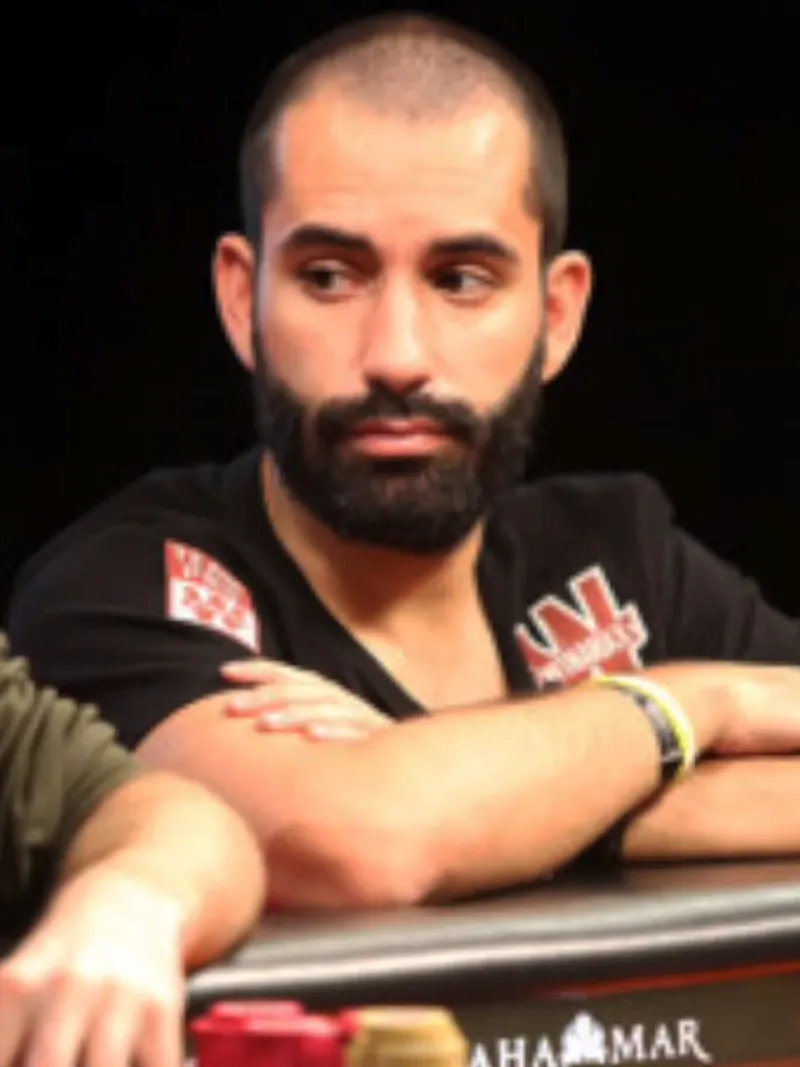
Photo: World Poker Tour, CC BY 3.0, via Wikimedia Commons
A yabby navigating a murky billabong doesn't have the luxury of seeing clearly. It relies on sensing pressure changes in the water, detecting subtle vibrations, and interpreting the behaviour of everything around it to decide when to advance and when to retreat. It's not brute force that keeps a yabby alive — it's awareness.
That same principle applies at the live casino table. Whether you're playing online poker, sitting at a live dealer blackjack game, or competing in a real-time tournament, the ability to read what's happening around you — not just your own cards — separates the reactive player from the genuinely tactical one.
Here's how to develop those instincts.
Why Online Opponents Still Leave Traces
A common misconception is that online gaming eliminates the human element entirely. No face to read, no body language to decode — just a username and a bet. But that's not quite right. Online players, particularly in live dealer formats and poker rooms, leave a surprisingly rich trail of behavioural signals. You just need to know where to look.
The tells have shifted from the physical to the rhythmic and verbal, but they're just as real. Timing patterns, bet sizing habits, chat behaviour, and decision-making tempo all reveal something about the player behind the screen. Learning to read these signals is less about mind-reading and more about pattern recognition — and it's a skill anyone can develop with practice.
Timing Is Everything
In live online poker, the single most revealing tell is often timing. How long does a player take to act? Consistent snap decisions — instant calls, immediate raises — often indicate either a very strong hand being played confidently or, conversely, a player who isn't thinking deeply about their decisions at all.
The more interesting tells come from inconsistency. A player who usually acts quickly but suddenly pauses for several seconds before calling? That hesitation often signals genuine uncertainty — they're weighing up a marginal hand. Conversely, a player who normally deliberates but suddenly fires in a raise without hesitation might be trying to project confidence they don't actually have.
Start tracking timing patterns early in a session. Establish what "normal" looks like for each opponent, and then watch for deviations. The deviations are where the information lives.
Bet Sizing Patterns: The Numbers Don't Lie
How a player sizes their bets is one of the most reliable sources of information at any table. Many recreational players — and even some experienced ones — have unconscious bet-sizing habits that correlate directly with hand strength.
Common patterns to watch for:
- Min-betting on the flop, then over-betting the turn: Often indicates a player who hit something on the turn and is now trying to build a pot they were previously uncertain about.
- Consistent pot-sized bets regardless of hand: Can indicate a player following a rigid strategy — reliable, but also exploitable once you identify it.
- Erratic sizing that changes constantly: Either a very sophisticated player mixing up their game, or someone who's tilting and making emotional decisions. Context matters.
In live dealer blackjack or baccarat, bet sizing tells a different story — it's less about opponent strategy and more about confidence and momentum. A player who keeps bumping up their bet after wins is riding a hot streak mentally, which might indicate they're more likely to take risks on the next hand.
The Chat Window: More Revealing Than You'd Think
In live dealer games with a chat function, what players type — and when — is genuinely useful data. Chatty players who suddenly go quiet are often concentrating hard, which may mean they're in a tougher spot than usual. Players who make jokes or comments when they win but disappear when they lose are giving you an emotional map of their session.
Watch out for the classic "table talk" play, too — players who comment on a hand they've folded, offering opinions or fake-lamenting a missed opportunity. Sometimes it's genuine. Often, it's a deliberate attempt to influence how others read the action. Treat chat commentary from active players with healthy scepticism.
That said, don't let reading the chat distract you from reading the actual game. Use it as background signal, not as your primary focus.
Aggression Profiles: Sharks, Turtles, and Everything Between
With a bit of observation, most players will slot into a rough behavioural profile. Identifying where an opponent sits on the aggression spectrum helps you calibrate your own approach.
The Shark bets aggressively, rarely limps, and applies pressure consistently. Against this player, patience is your weapon. Wait for a genuinely strong hand before committing chips, and don't be bullied into marginal calls.
The Turtle plays tight and passive — rarely raises, often calls, and only gets aggressive when they're very confident. When a turtle suddenly shows teeth, believe them. They're rarely bluffing.
The Gambler is unpredictable by design or by emotional state. They're hard to read because their own decision-making is inconsistent. The counter-strategy here is to play straightforwardly — don't try to outbluff someone who might call anything.
Most players are somewhere between these archetypes, and many shift between them as a session progresses, especially if they're winning big or running cold.
Recognising Tilt — In Others and Yourself
Tilt — the emotional deterioration that follows a bad beat or a losing streak — is one of the most powerful forces at any table, and it's often visible if you know what you're looking for. Signs that an opponent might be tilting include sudden increases in aggression after a loss, faster decision-making, and larger bet sizes that seem disconnected from the hand strength they're likely to hold.
A tilting player is often a profitable opponent — but only if you're playing your own game calmly. This is where the yabby instinct kicks in: knowing when conditions are right to advance and when to hold your ground.
And here's the honest bit — check yourself too. If you've just taken a bad beat and you're feeling the itch to chase it back, you might be the one leaking information. Step back, take a breath, and reset before the next hand.
Reading the Room, Not Just the Cards
The best casino players — whether they're grinding live poker or enjoying a live dealer session for fun — share one quality: they're paying attention to more than just their own hand. They're reading the rhythm of the table, noticing shifts in behaviour, and adjusting their approach based on what the environment is telling them.
Like a yabby feeling its way through still water, it's not about seeing everything clearly. It's about being sensitive to the signals that are there, trusting your read, and moving accordingly.
The cards will do what the cards will do. But the players? They're always telling you something.