Crack the Shell: Reinventing Your Casino Habits When the Old Ones Stop Working
There's a moment every yabby knows — that uncomfortable stretch when the old shell no longer fits. It's tight, it's restrictive, and the only way forward is to shed it entirely. For a brief, vulnerable period, the yabby is exposed. But on the other side? A stronger, roomier version of itself that can actually grow.
If you've been playing online casino games for a while, chances are you've developed your own shell — a set of habits, routines, and assumptions that have calcified around your sessions without you even noticing. Some of those habits are fine. Others are quietly costing you.
The good news is that humans, unlike yabbies, get to choose when to moult.
Why Habits Form in the First Place
Your brain loves a pattern. When you sit down to play, it starts running familiar scripts: open the same games, bet the same amounts, play for roughly the same stretch of time, react the same way to a losing run. These scripts feel like second nature because they literally are — they're grooves worn into your decision-making by repetition.
The problem isn't that you have habits. It's that habits formed during one phase of your life or one emotional state don't automatically update when your circumstances change. The bloke who started playing $2 spins on a casual Tuesday night might now be playing $10 spins on a stressed Wednesday evening without ever consciously deciding to scale up. The routine just... evolved, and not in a direction that serves him.
Recognising this is the first crack in the shell.
The Patterns Worth Examining
Before you can change anything, you need to see what you're actually doing. Not what you think you're doing — what the data says.
Session timing. When are you actually playing? Late at night after a few drinks is a different context than a relaxed Sunday afternoon. If most of your sessions are happening when you're tired, wound up, or looking for an escape rather than entertainment, that's worth noting.
Bet sizing relative to mood. Many players unconsciously increase their bets after a losing streak, chasing losses in small increments rather than one dramatic swing. Others deflate their bets when they're up, which sounds cautious but can actually just mean they're playing scared rather than strategically. Neither approach is driven by logic — both are driven by emotion.
Game selection. Are you playing what you genuinely enjoy, or are you defaulting to what's familiar? There's a difference between loyalty to a game you love and inertia that keeps you clicking the same pokie because it's the path of least resistance.
The exit trigger. What actually makes you stop? A set time limit? A specific loss amount? Or do you just play until something external interrupts you — a phone call, someone walking into the room, exhaustion? Players who don't have a deliberate exit strategy tend to play longer than they intend to, almost every time.
Using Life's Natural Reset Points
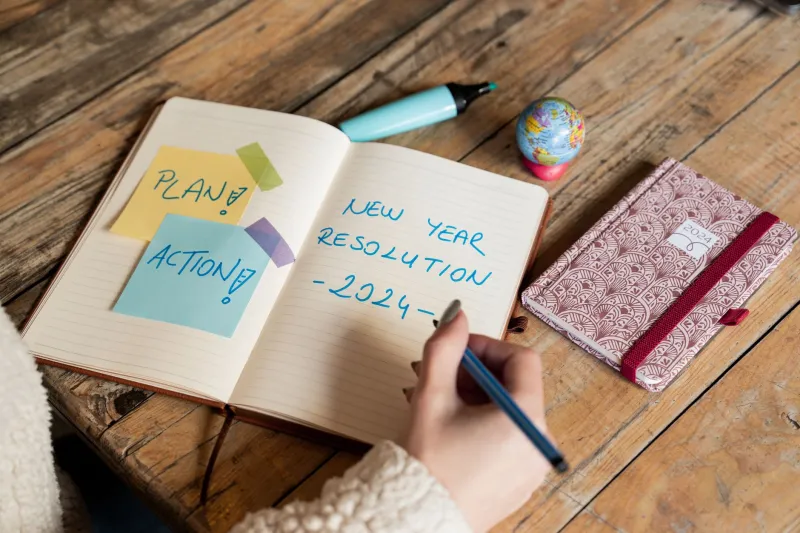
Here's something worth leaning into: big changes in your external life create a genuine opening for internal change. Psychologists sometimes call this the "fresh start effect" — the way that milestone moments (a new year, a new job, moving house, the start of a new season) make people feel psychologically untethered from their past behaviour and more open to doing things differently.
Australians have plenty of these reset points if you look for them. The turn of the year. The end of footy season. The first properly warm week of spring. A new financial year. Starting a job, finishing a course, moving to a new city. These aren't magic — but they are useful.
If you've been meaning to tighten up your approach to online casino play, waiting for one of these moments isn't procrastination. It's strategy. Use the psychological momentum of a genuine transition to make changes that feel like a natural part of who you're becoming, rather than an uncomfortable imposition on who you've been.
Practical Moves for the Moult
So you've identified some habits that need to go. What now?
Set a session budget before you open the app. Not a vague upper limit — a specific number, decided before you're in the emotional context of playing. Write it down if that helps. The act of committing before you start short-circuits the in-the-moment rationalising that leads to overextension.
Introduce a mandatory pause. If you've been playing for an hour, close the tab for ten minutes before deciding whether to continue. Get up, make a coffee, do something physical. That gap between impulse and action is where rational decision-making lives.
Rotate your game selection deliberately. Pick one new game per fortnight to try. Not because variety is inherently better, but because engaging with something unfamiliar forces you to be present and attentive rather than running on autopilot.
Track one metric for a month. Just one. It could be session length, average bet size, or the time of day you're playing. You don't need a spreadsheet — notes on your phone are fine. The point is to make the invisible visible. Once you can see a pattern clearly, you have genuine agency over whether to keep it.
Change your exit trigger. If you currently play until you run out of funds or run out of steam, set a time alarm for your next three sessions and stop when it goes off, regardless of where you're at. This one habit alone — a predetermined stop point — is one of the most effective tools in responsible gaming.
The Vulnerability Is Part of It
Here's the part people don't talk about enough: changing habits feels uncomfortable, even when the habits you're changing were bad ones. The old shell was at least familiar. The new approach requires you to be a bit more deliberate, a bit more conscious, a bit more honest with yourself.
That exposure is temporary. And just like the yabby that emerges from its moult with a stronger carapace, the player who does the work of examining and reshaping their habits comes out the other side with something more valuable than a lucky streak — a genuinely sustainable relationship with the game.
The creek's still there. The games aren't going anywhere. Take your time, do the moult properly, and come back sharper.